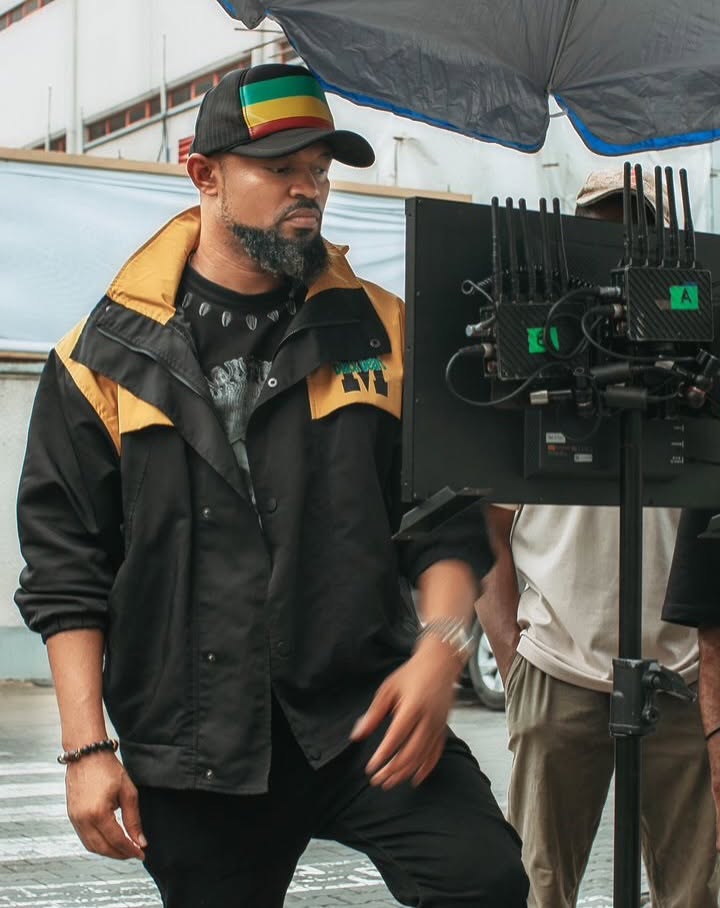

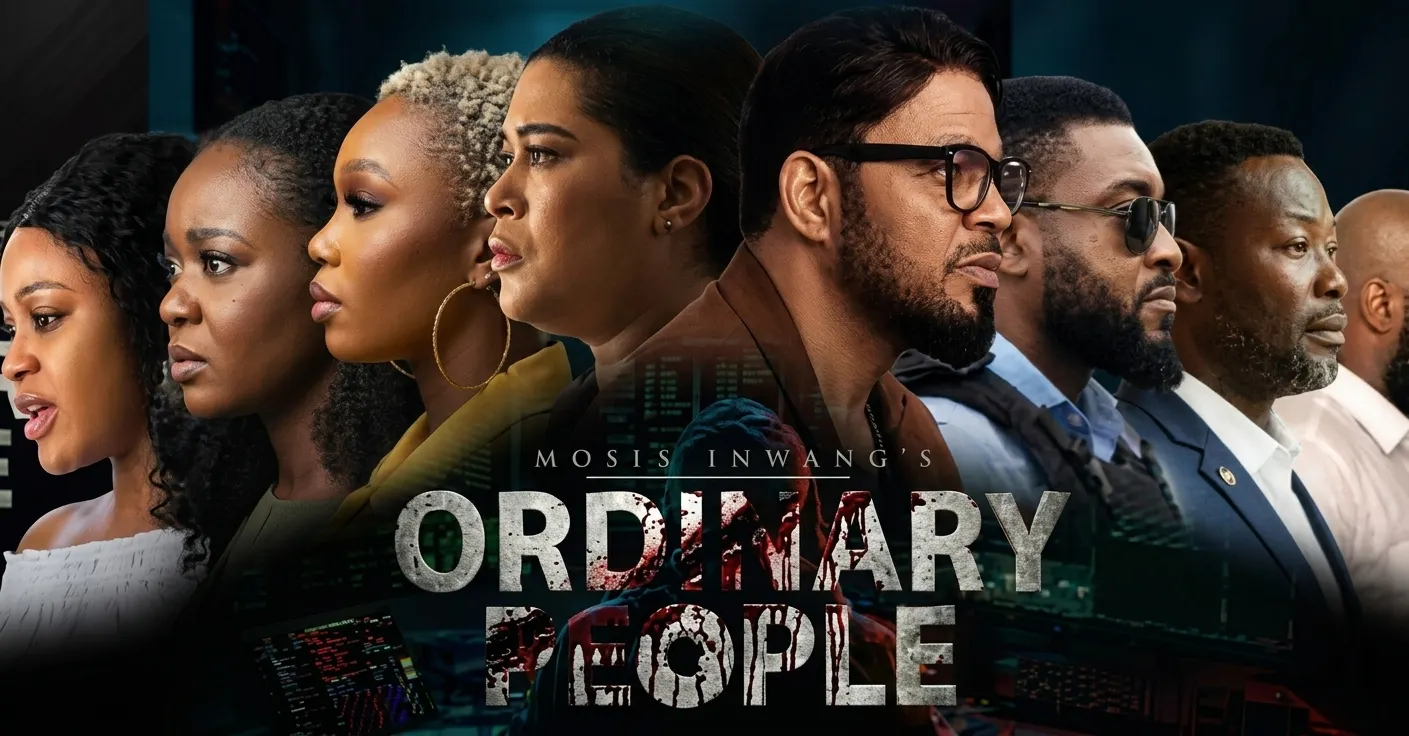
Ordinary People is an eight-episode Nollywood action-thriller series that globally premiered on Nexflix on September 4. It features an ensemble cast of Nigerian and Ghanaian actors including Ramsey Noah, Chidi Mokeme, Adunni Ade, Jackie Appiah, Uche Montana and a fair host of supporting actors. Yet nothing about its title ordinarily prepares a person for the violence, sex, horror, and gore: the brazen exercise of cinematic license.
Voyeurism plays an integral part in the execution of the film’s plot.
The story revolves mainly around Tornado, a notorious Nigerian kidnapper who, after the DSS comes for him, escapes to Russia where he and his wife alter their skin colour so they can return to Nigeria undetected. Upon their return to Nigeria years later, disguised as a European couple, the DSS got alerted: the European couple’s fingerprints matched with those of Tornado and his wife, both presumed dead. And so the intrigue begins.
Two DSS agents go undercover as a couple to keep surveillance on the European suspects. Through them, so much of the plot and its embellishments unfold: the male agent—played by Chidi Mokeme—wants to focus on the mission, but his colleague wants sex every now and then. Sometimes, the sex seems like side quests that they wildly pursue with the same zest that their mission required. In all of these, they deal with doubt and uncertainty. Are the European couple who have moved into Mirage Estate truly the same as the dead Tornado and his wife?
So much happens in Mirage Estate where the European couple had moved into. There is violence, abuse, excessive bloodshed, sex, and deceit. We are introduced to the private lives of three other couples hiding enormous dark secrets. Mc Pere—played by Lasisi Elenu—is an abusive husband, his wife—played by Uche Montana—is deeply traumatized, but they come off publicly as being happy and content. The Ghanaian couple came to Nigeria after escaping a trial for money theft in Ghana. In Nigeria, another Ghanaian national recognizes them and threatens to call the police. The couple kills him after a fight over their inability to pay the money he kept demanding, which they could not afford. But then there’s the problem of disposing his corpse. How do they get past the security check at the estate?
Another couple battles with the effects of hard drugs. The woman is an actress struggling with mental illness. She gets unstable sometimes, shouts at her lover, and messes things up. The lover tries to manage the situation, but leaves eventually. After he leaves, the actress—played by Sharon Ooja—attempts suicide, but is rescued by a voyeuristic neighbor who had hacked into the estate’s security cameras.
An elderly doctor who also is the chairman of the estate aids a young woman abort a pregnancy. The woman dies in his home, but there’s also the dilemma of how to do away with her body.
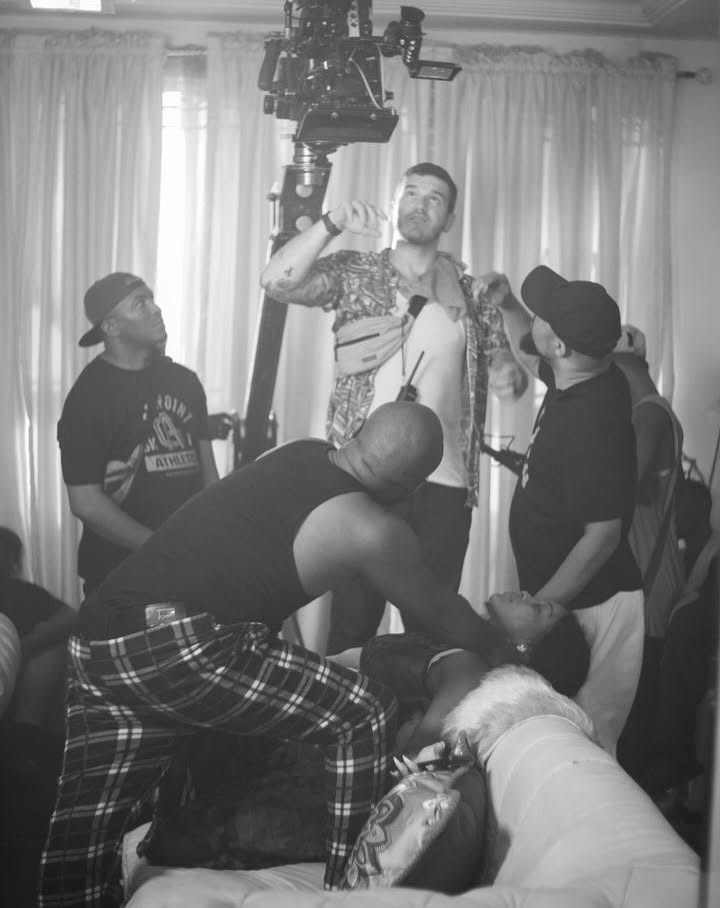
Voyeurism, as a technique, plays an integral part in the execution of the film’s plot. It is through it—from the POV of the hacker—that a great chunk of the story unfolds. Quite coincidentally, the hacker has a reason for being in the story as he has some history with the ‘European couple’.
An interesting thing about this movie is its portrayal of humans as being much more than the appearances they put on. Humans are layered. They are a summation of their secrets. They are shaped by their struggles. With an air of sophistication, they guard their inner selves from public view and scrutiny. From the depths of every human stems a compounding of stimuli that branch out into the various expressions that are mostly accessed by perception and never by sight.
Ramsey Noah’s role is the most sophisticated. He played Tornado, scheming endlessly to protect his secrets and get out of tight corners. He has agents almost everywhere working for him—even within the DSS. His escape to Russia feels masterful, and the fact that there were charred bodies recovered in the helicopter crash was a perfect move to put the DSS off—at least, until the matter of matching fingerprints came up.
this story appears to hold up a mirror to our individual selves, the much of us that constitute a significant social statistic ...
I love the portrayal of mental illness. There is also the depiction of drug addiction and its effect. The hacker takes hard drugs that knocks him out for several hours. He has anxiety, struggles with social awkwardness, and is very shy in public. The actress takes drugs to ease her condition; her lover asks her to see a therapist, she refuses. “Are you saying that I am mad?” she asked, already livid with anger. Every time there is a misunderstanding between the actress and her lover, she destroys things and attempts to commit suicide. From a young age, she had always felt unwanted by people, always known to be quite erratic, and sometimes took dangerous, harmful decisions for herself. It was milder in the beginning, but as she grew older, her condition worsened. She has been able to achieve success as an actress, but her life is always meaningless outside acting. This, in my opinion, is an honest depiction of a reality that we constantly gloss over. Perhaps it attempts to point out to the long-term compounding effects of unresolved trauma. Psychiatrists have often pointed to childhood as the starting point of most of the traumatic experiences that patients are having to deal with. And here, this story appears to hold up a mirror to our individual selves, the much of us that constitute a significant social statistic, daring us to once again gloss over this reminder about our social health status or actually do something about it.
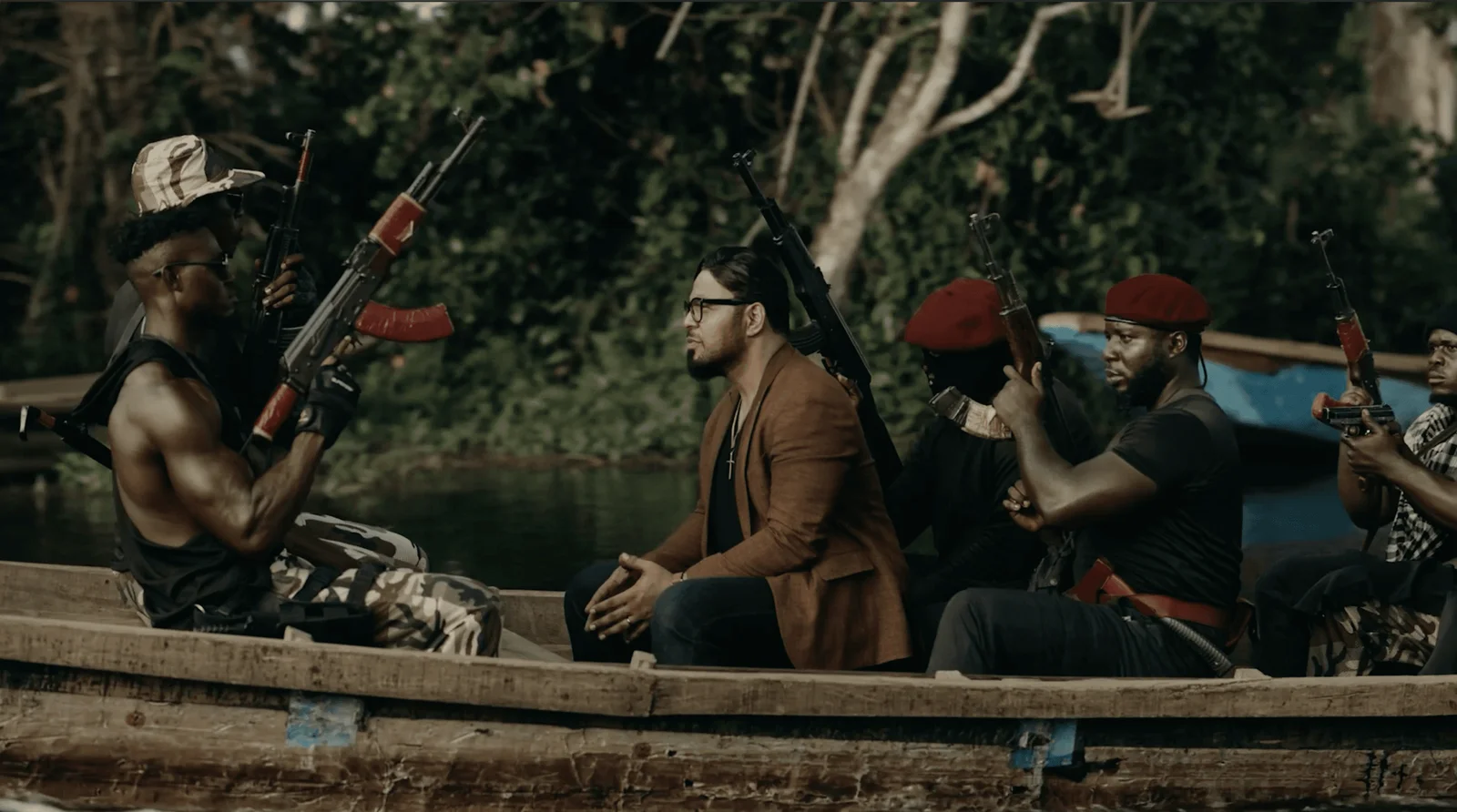
It is not always that one gets to be served a Nollywood thriller series. Before the advent of Netflix and its interest in Nigerian cinema, Nollywood had ventured into movie series. We bought them in CDs, then. There was no telling which was bootlegged—yet we bought them, from shops, roadside stalls, hawkers, wherever we could find them. With Netflix, there is a certain consciousness about the global gaze that Nollywood has taken into account, and this can be mostly accepted for the good that it is. We have seen Nollywood action series on Netflix in recent times. Kemi Adetiba’s King of Boys is one example that readily comes to mind. But with Ordinary People, it is not the usual good-triumphs-over-evil—at least not in an absolute way. Even though, at the end of the series, most of the shady characters in Mirage Estate get something of the justice that they deserve, yet Tornado remains ever-evasive. Perhaps with the manner of its ending, the producers are telling us to look out for a sequel.